
A Step-by-Step Guide to the Muslim Caliphates
This guide exists for the average person to find their own self-paced method to studying Islamic history. Specifically, it focuses on a chronological study of Islam through various Muslim caliphates starting with the Rashidun caliphate (the first four caliphs after the Prophet Muhammad [peace be upon him]) all the way to the collapse of the Ottomon empire.
You may wonder why this guide is centered around the Caliphates rather than, perhaps, time periods that are clearly more inclusive. The reason I chose to do it this way is so I could narrow down and focus on the largest entites of power in the Islamic world, i.e. khilafa, which is a moderate way to approach the indomitable subject of Islamic history. You have to take into consideration the sheer depth and breadth of this topic. Not only does it encompass 1400 years, it stretches across several continents, thousands or hundreds of thousands of people, languages, cultures, systems of governance, economies, etc. Centering it around the Muslim Caliphates allows one to find a footing and gain a sense of the general environment before they decide to venture into specific topics.
Challenges to Studying Muslim History
Muslim history can be a challenging, intimidating and unconquerable subject to approach. Although, many Muslims have the desire to learn history, their motivation peter out when they go through the various insufficient and scattered websites and resources on the internet. Another issue is the vastness of 1400 years of Muslim history which stretches across continents, empires, races, languages, and cultures.
Most people who want to study at an elevated level cannot afford to go through post-secondary education – especially in Western countries – because the university or college they attend does not offer a proper degree program, has limited courses relating to Islam or Islamic history available and is dominated by history through the Western, Eurocentric lens. Another fear is the dilution of Islamic history due the influence of Islamic revisionism, a movement started in the last half-century which discounts much of early Islamic history and often poses radical views criticized as being “anti-Islam.”
All of this is from my own experience. I, too, have struggled with these same issues for many years. My own journey in studying Islamic history is what compelled me to create this guide. I wanted to make a foolproof plan that individuals serious in their inquest into Muslim history could benefit from.
Studying the Muslim Calipates - Step 0: Be Skeptical
One of the first things to do is to refrain from using widely available sources of information on the internet. I know it’s hard. Everyone wants to click on the number one search results that will give an easy answer without any digging. The danger of using these websites is that the motivation of the authors and the validity and sanctity of the sources are a cause for concern. A quick look through Wikipedia on articles relating to Islamic history show that many of the sources come from revisionist authors that reject much of the fundamentals of Islamic history as seen through the eyes of Muslims.
Many readily available and popular websites, usually found in the topmost Google search results, can often present misleading, biased or sectarian views. When trying to glean knowledge off of a website, it is best to make sure that you can find the author, their academic history and/or organization sponsoring the website. Always make sure to validate your sources before believing anything on the internet. My rule of thumb is at the very least to know where the information is coming from, whether you choose to use it or not is up to you.
Studying the Muslim Calipates - Step 1: Chart Out Your Path
Make a list of sizable Muslim rulership that define a large period of Muslim history.
Underneath, I have provided an outline of notable Muslim caliphates (bolded are ones that a majority of the Muslim world deemed a Caliphate) and various significant empires and dynasties. The World History Encyclopedia categorizes four major caliphates below.
Muslim Caliphates - Start Here
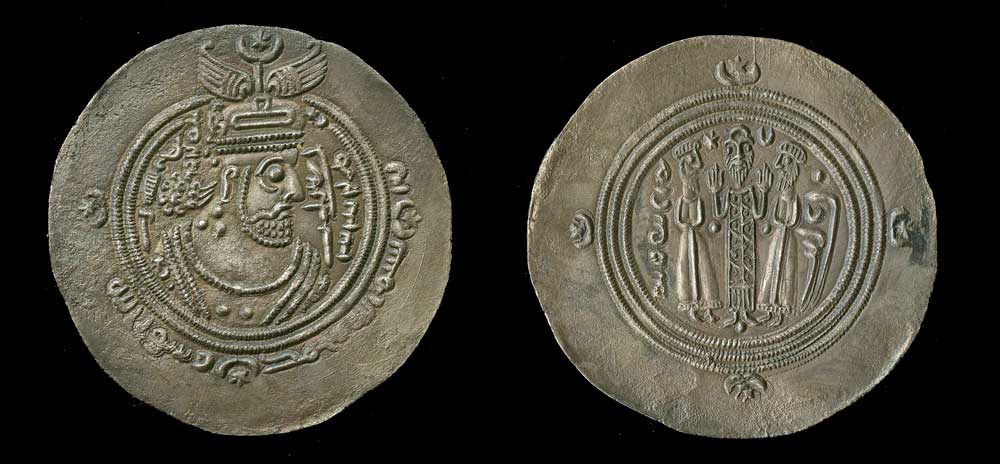
Rashidun Caliphate
(632-661 CE)
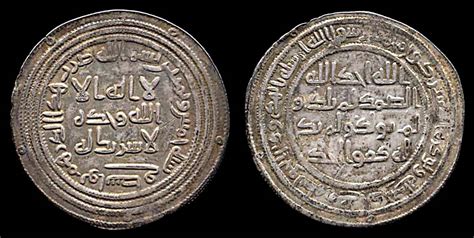
Umayyad Caliphate
(661–750)
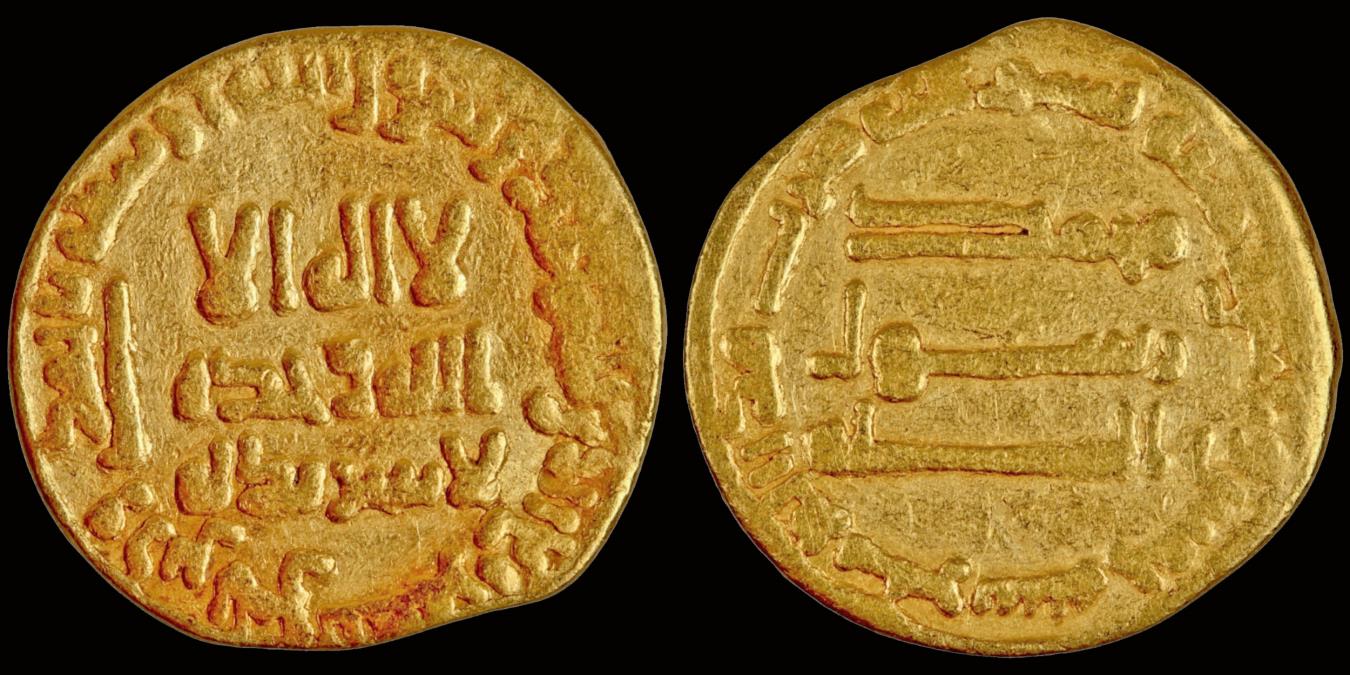
Abbasid Caliphate
(750–1258)
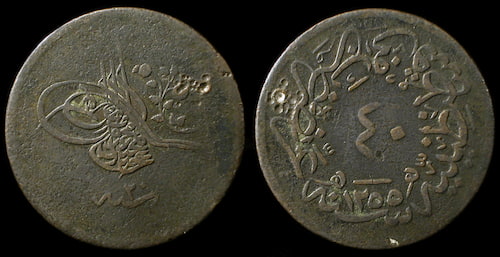
Ottoman Sultanate
(1299–1923)
Other Empires of Note
- Umayyads in Spain (756–1031)
- Samanids (819–999)
- Seljuqs of Iran (about 1040–1196)
- Almoravids and Almohads (about 1062–1147; 1130–1269)
- Seljuqs of Rum (1081–1307)
- Ilkhanids (1206–1353)
- Nasrid kingdom in Spain (1232–1492)
- Mamluks (1250–1517)
- Timurid empire (1307–1507)
- Safavid empire (1501–1722)
- Mughal empire (1526–1858)

Step 2: Do “Light” Research: Create a Framework
Instead of trying to run headfirst into an academic study, take a bare-bones approach and make a skeleton of important facts relating to each empire to understand the overall sociopolitical landscape of that time and give you a sense of chronology. An example has been provided below. Hoewever, it is important to stress that you keep the entries short and sweet (a few sentences per topic).
Example Empire
| The Origins of the Empire | Key Points in Empire's History | The Fall of the Empire |
| Notable Figures (i. e. thinkers, leaders) | Contributions to Math and Science | Contributions to Culture and Architecture |
Step 3: Find Sources for In-Depth Study
Now, search through resources for in-depth study for the beginning of your framework, your first historical entry. The best option would be academic sources that are comprehensive of the time period you are studying (while not being too lengthy) and where the author’s work is considered authentic. The books, media, etc. you decide to use for the place in the framework you are at will depend on how deeply you want to study the subject matter. A method to find authentic resources for Islamic history is coming soon.
Step 4: Start!
Start reading now. Don’t be discouraged by the vast amounts of information out there, and don’t try to learn everything all at once. Pace yourself. Once you’ve done a few readings for your entry and have a general understanding of it, move onto the next entry (you may need to repeat step 3).